Carpenter ants rank among the largest ant species in North America, and research from Cornell University College of Agriculture and Life Sciences shows that these insects can weaken wooden structures by tunneling through damp or decaying wood to create nesting galleries. Unlike termites, carpenter ants do not eat wood for nutrition, yet their excavation activity can still contribute to costly structural problems in homes, schools, and older public buildings. Environmental science and facility maintenance programs often use carpenter ant infestations as real-world examples when teaching students about moisture control, building preservation, and pest-related safety risks.
Maintenance departments in older educational facilities sometimes consult resources such as a carpenter ant exterminator Buffalo service provider when hidden infestations threaten aging classrooms, dormitories, or campus storage structures. Experts from Penn State Extension note that carpenter ants are strongly associated with moisture-damaged wood, making them an important topic in building science lessons focused on environmental conditions and preventive maintenance.

Why Carpenter Ants Are Commonly Discussed in Building Safety Courses
Many environmental science and construction technology classes examine how insects interact with building materials. Carpenter ants are frequently included because their presence often signals a larger issue involving moisture intrusion, leaks, poor ventilation, or decaying wood.
Data from The University of Kentucky Entomology Department indicates that carpenter ants prefer damp areas around rooflines, window frames, plumbing systems, crawl spaces, and aging wooden supports. These conditions are often found in older school buildings and campus facilities where maintenance budgets may already be stretched.
Students studying public safety or facilities management learn that insect activity is rarely isolated from other structural concerns. Water damage, mold growth, wood decay, and pest nesting frequently develop together. By understanding how carpenter ants behave, students gain practical insight into broader building maintenance principles.
Step 1: Learn How Carpenter Ants Damage Wood
The first step in identifying a potential infestation is understanding how carpenter ants interact with wood materials. Unlike termites, carpenter ants create smooth tunnels inside wood rather than consuming it. Research published by Michigan State University Extension explains that these tunnels are often clean and polished in appearance because the insects remove debris while building nesting chambers.
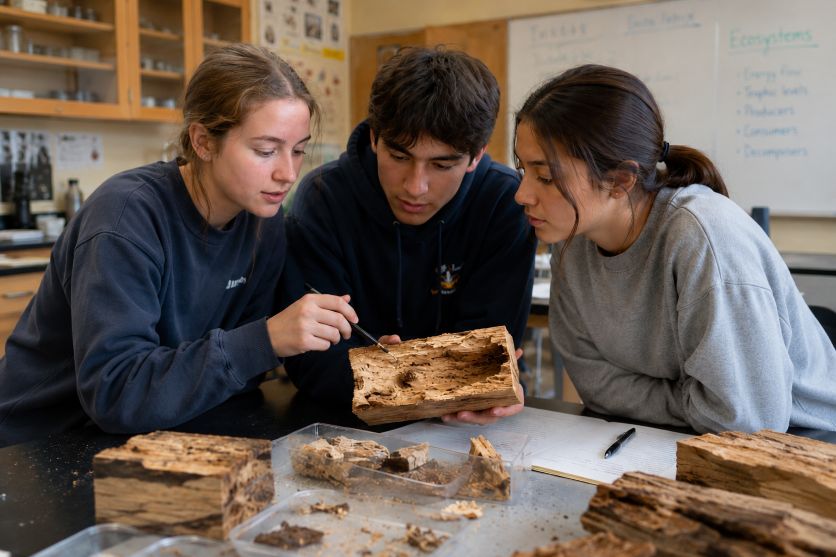
Students examining sample wood sections in science labs may notice several warning signs:
- Small piles of sawdust-like material called frass
- Rustling noises inside walls or wooden beams
- Winged ants emerging indoors during warmer months
- Large black or reddish ants traveling along moisture-prone surfaces
- Soft or hollow-sounding wood when tapped
These clues help connect classroom learning with real maintenance challenges found in public buildings and residential structures.
Step 2: Identify Moisture Sources Around Buildings
Moisture management plays a central role in preventing carpenter ant problems. Studies from The U.S. Environmental Protection Agency show that excessive moisture contributes to structural deterioration and creates favorable conditions for pests.
Environmental science courses often teach students how to inspect common moisture sources, including:
- Leaking roofs
- Damaged gutters
- Poor drainage near foundations
- Condensation around pipes
- Cracked window seals
- Wet crawl spaces or basements
Students learning building inspection techniques are encouraged to trace water intrusion problems before focusing solely on insect activity. Solving the moisture issue is often necessary to prevent recurring infestations.
Step 3: Inspect Vulnerable Wooden Structures
Building maintenance lessons frequently emphasize routine inspections. Wooden structures exposed to humidity or changing weather conditions can become vulnerable over time, especially in aging campuses or older residential neighborhoods.
Experts from The National Pest Management Association recommend checking wooden materials that remain in prolonged contact with moisture. Classroom exercises sometimes involve evaluating diagrams or mock structures to identify high-risk areas.
Important inspection points may include:
- Wooden window frames
- Roof overhangs
- Deck supports
- Wood siding near soil
- Attics with poor ventilation
- Storage sheds or utility buildings
Students also learn that outdoor landscaping decisions can influence insect activity. Firewood piles, tree stumps, dead branches, and dense vegetation near structures can provide nesting opportunities for carpenter ant colonies.
Step 4: Understand the Difference Between Outdoor and Indoor Colonies
Carpenter ants commonly establish primary nests outdoors in dead trees or decaying logs. However, satellite colonies may later spread into walls, ceilings, or insulation areas when indoor moisture conditions become favorable.
Research from Clemson Cooperative Extension explains that seeing ants indoors does not always mean the main nest is located inside the structure. Worker ants may travel long distances between food sources and nesting sites.
This concept is often included in classroom discussions because it demonstrates the importance of observation and evidence gathering before making maintenance decisions. Students studying environmental systems learn that surface activity may not fully reveal the scale of an underlying problem.
Step 5: Practice Preventive Building Care
Preventive maintenance remains one of the most effective long-term strategies for reducing carpenter ant activity. Schools and universities increasingly incorporate preventive care practices into facility management training because early intervention is generally less expensive than major structural repair.
Common preventive measures include:
- Repairing leaks promptly
- Improving ventilation in attics and basements
- Replacing rotted wood materials
- Keeping gutters clean
- Sealing exterior cracks and openings
- Trimming tree branches away from roofs
- Reducing direct wood-to-soil contact
Educational programs often highlight how routine inspections support public safety. Small maintenance problems can become larger structural concerns when ignored over time.
Step 6: Recognize When Professional Assessment May Be Needed
Some infestations remain hidden behind walls or inside structural beams for extended periods. Facilities managers and maintenance departments may eventually require specialized inspections when visible warning signs increase or structural integrity becomes uncertain.
Older educational buildings can present additional challenges because aging materials, outdated drainage systems, and long-term moisture exposure create favorable nesting conditions. Structural evaluations sometimes involve pest control specialists, building inspectors, maintenance engineers, and environmental health personnel working together to assess the situation.
Students studying public health and infrastructure management learn that collaboration across disciplines is often necessary when addressing environmental hazards within large facilities.
READ ALSO: Pests, their history and how to eliminate them now
How Classroom Lessons Support Long-Term Building Awareness
Carpenter ant discussions extend beyond pest control topics alone. They help students understand how environmental conditions, infrastructure maintenance, and public safety intersect within real buildings. Lessons involving insect behavior, moisture control, and structural preservation encourage practical problem-solving skills that apply to homes, schools, and workplaces alike.
Research from The Centers for Disease Control and Prevention notes that healthy buildings depend on ongoing environmental management, including moisture control and proper maintenance practices. Understanding how wood-damaging insects operate helps reinforce the importance of regular inspections and responsible facility care.
Whether examining wooden beams in a classroom demonstration or studying maintenance plans for older campuses, students gain valuable insight into how small environmental issues can gradually affect larger structural systems. Awareness, observation, and preventive action remain essential tools for protecting buildings from hidden damage caused by carpenter ant colonies and similar structural pests.




 Useful across subjects: reading comprehension, writing, mathematical reasoning, research, organization, and critical thinking. Despite their academic degree, support for students is available.
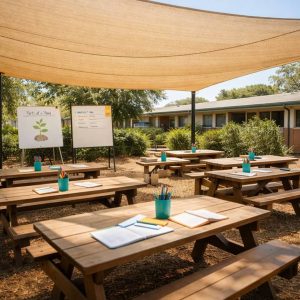 Schools are rethinking how learning spaces look and feel, and one idea gaining traction is the outdoor classroom. It doesn’t require expensive construction or complex design. In many cases, a simple structure using shade cloth can turn an open area into a functional, comfortable place for teaching. For schools exploring flexible and cost-effective setups, options like order shade cloth on a roll (schaduwdoek op rol bestellen) make it easier to cover larger areas while adapting to different layouts and needs.
 President Joe BIden announced early this month that his administration has cancelled $175 billion student loans availed through
  The PSLF program was meant to encourage college students to work with the government or with nonprofit entities for at least 10 years. In return, and after the said period they can apply to have the remaining balance of their student loans cancelled.
 A benchmark
  According to numerous studies air pollution is more dangerous to the health and well-being of ordinary people compared to health threats posed by liquor and smoking. The EPIC benchmark study shows that the perils of air pollution are getting worse in South Asia, which is the global epicenter.

 The Biden administration through the Education Department is all set to discharge $39 billion worth of
  However, relatively only a few of the student loan borrowers received forgiveness from the federal income-driven repayment program. Federal and state regulators found out that the loan servicers for student loans were inappropriately pushing student borrowers to take out long-term forbearances that actually do not work toward loan forgiveness. Moreover in most cases, the Education Department was remiss in properly tracking monthly payments that served as records and bases for loan forgiveness over time.





 Moving into your first apartment or rental is exciting—until you realize no one else is going to scrub the sink, mop the floor, or take care of the dust that piles up. That’s when the thought of hiring a cleaning service pops into mind, whether it’s local options like
  Education is no longer confined to classrooms. Modern learning often involves fieldwork, community projects, and off-campus collaboration. In this changing environment, transportation becomes a vital part of the learning process. E-bikes are stepping into this role, offering a smart, adaptable way for students and educators to move between learning spaces.
 Graduating from college marks a thrilling milestone. You’ve earned your degree, landed a job, and now you’re ready to start a new chapter in a new city. The excitement of a fresh start often comes with the challenge of relocating. Moving can feel overwhelming, especially for recent grads juggling tight budgets and new responsibilities. This guide offers practical tips to make your transition smoother, less stressful, and even a little fun.
 Becoming a CDL Class A truck driver is a solid career move for anyone who wants job stability, decent pay, and the chance to travel. But getting there takes more than just wanting to drive a big rig. Whether you’re interested in long hauls, regional deliveries, or specialized freight, Class A CDL truck driving jobs offer a wide range of opportunities across the country. Here’s a step-by-step guide to help you understand what it takes to get your CDL Class A license and start your career on the road.
 Karaoke, or KTV as it’s often called in parts of Asia, is a fun way to unwind with friends. But dig a little deeper, and it offers surprising insights into how we learn—especially through music. Music and memory have long been connected. You probably remember lyrics from songs you haven’t heard in years. That’s not a coincidence. Music activates more parts of the brain than speech alone. Rhythm, melody, and repetition work together to make information more “sticky.” Even places like 호치민 가라오케 show how KTV can turn that effect into something social, emotional, and highly engaging—making it a compelling, if accidental, learning tool.
 When it comes to home improvement, replacing windows is a significant investment. Many homeowners focus on aesthetics, but there is much more to consider. Understanding the different types of windows, energy efficiency ratings, and installation processes can help homeowners make informed decisions. A reliable window replacement company should not only offer high-quality products but also educate customers about their options. The more homeowners know, the better choices they can make for their homes.
 Selecting a qualified roofer calls for thorough investigation. Search for insured and qualified contractors with stellar client feedback and a track record of great workmanship.
 Green restoration involves rehabilitating damaged ecosystems to their natural state. Educational programs focusing on this practice go beyond theoretical knowledge. They offer hands-on learning opportunities, enabling students to engage in activities like planting native species, managing soil quality, and implementing water conservation techniques.
 The Toyota 4Runner is a top of the line TRD model designed by TRD engineers for daily off-road driving and therefore needing the most efficient set of 4runner trd wheels. It has off-road driving capabilities for rock crawling and at the same time has plenty of room and storage for hauling people and cargo on a daily grind.
 TRD Pro Wheels meet the Toyota Racing Development standards for power, control and ride. They are 7-inch wide and come in two diameter sizes, 16 inches and 17 inches. While the 16-inch TRD Pro wheels are made to specifically fit and serve the TRD Toyota Tacoma model, the 17-inch TRD Pro wheels are specifically for the TRD Toyota 4Runner and FJ Cruiser models.






 Navigating ilovecatsforlife.com and the pet food aisle can often feel like deciphering a foreign language. With a sea of colorful bags boasting benefits and ingredients, how does one separate fact from fiction and make the right choice for their feline friend? The answer lies in